How to optimize minimum order quantities without disrupting cost and inventory balance.
MOQ is not simply "minimum order" — it is a procurement and operations decision. Set it too low and your unit cost climbs while order frequency rises; set it too high and you tie up working capital and run the risk of inventory obsolescence. This guide helps small and mid-size brands navigate MOQ intelligently.
Why MOQ Matters — for Both Sides of the Table
From the manufacturer's perspective, every production run involves fixed costs: mold preparation, machine setup, color calibration. These costs are the same whether you produce 100 or 100,000 units — so unit cost rises sharply at low volumes. From the buyer's perspective, low stock means high reorder frequency, which compounds logistics costs, lead times and operational workload each cycle.
Category-Specific MOQ at Emsa Pack
Plastic frozen straws: 50,000 units and above — custom color and print orders may require higher minimums.
Flag toothpicks: 50,000 units and above — the right scale for on-table promotional presence.
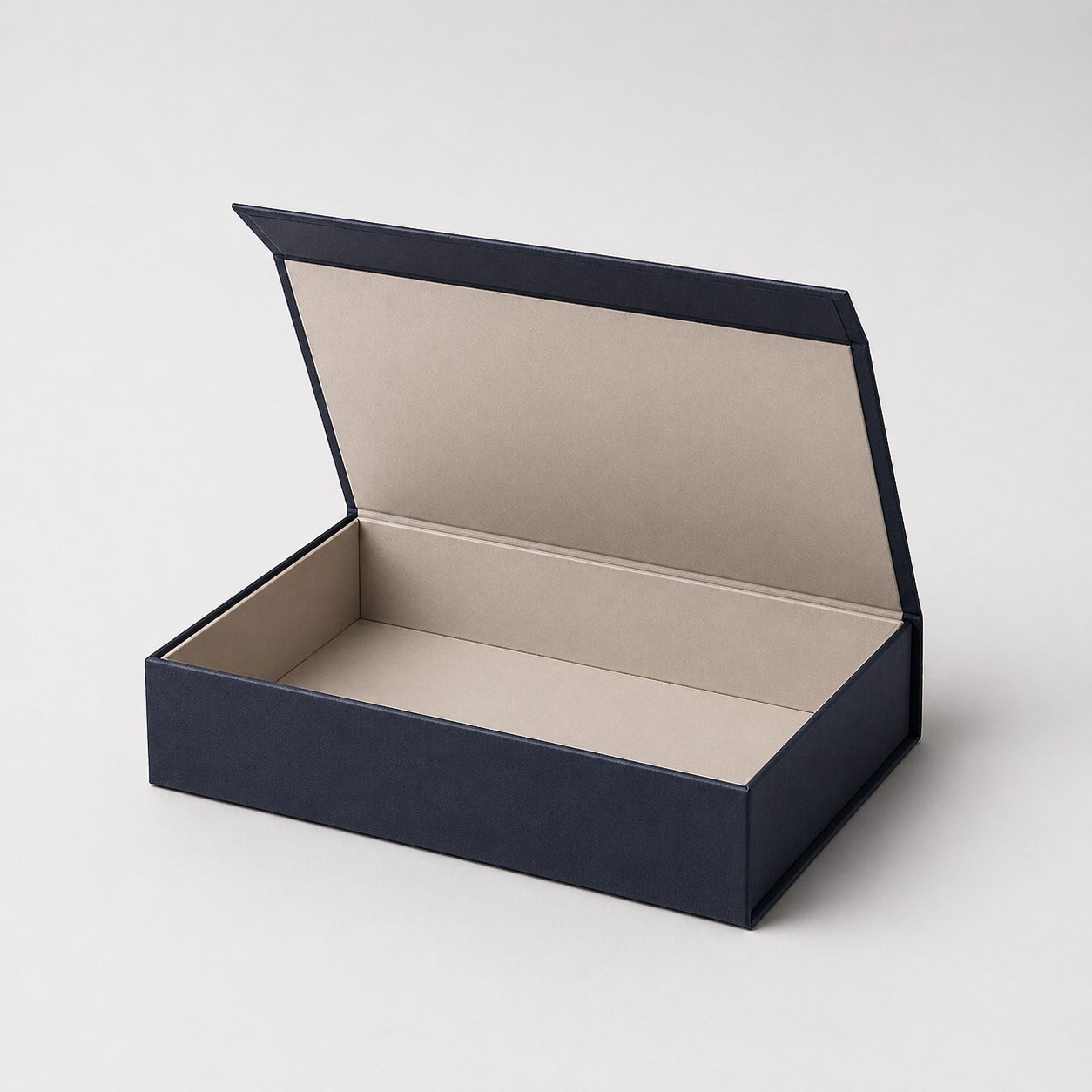
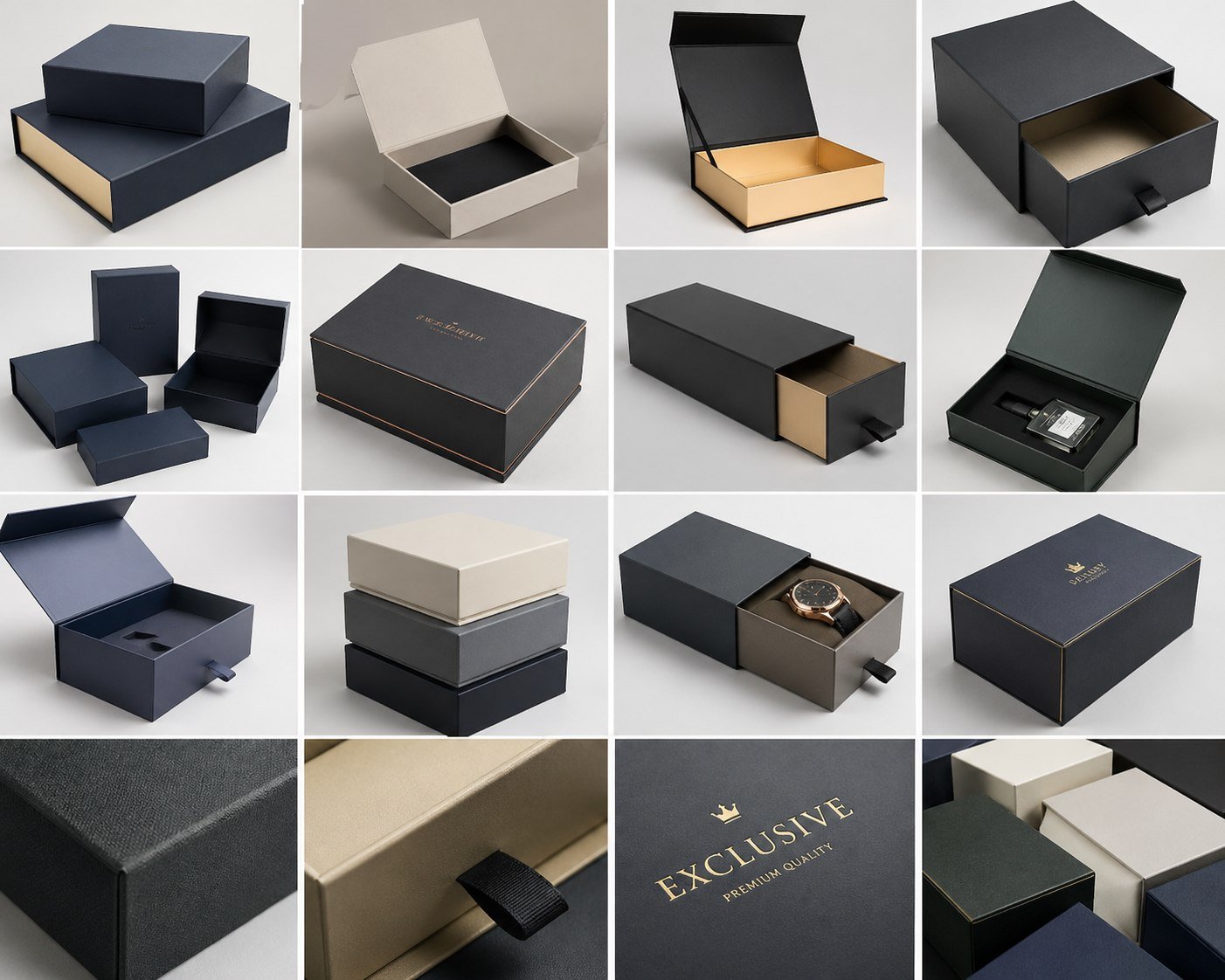
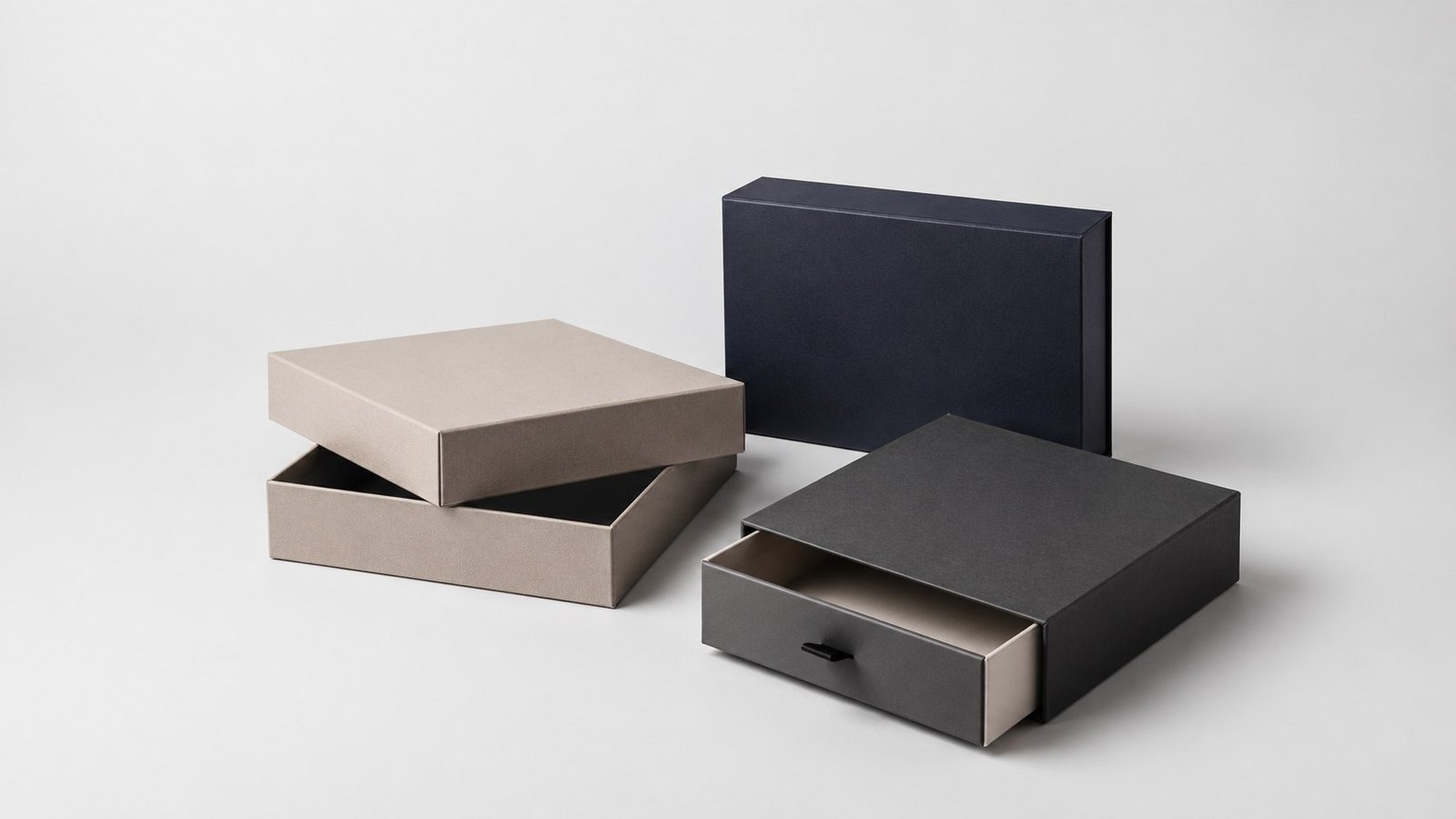
Rigid cardboard boxes: from 50 units — the handcrafted nature of box production allows for significantly lower minimums, making it accessible for smaller brands.
This contrast is critical: box orders let small brands test without volume pressure; straw and toothpick orders demand seasonal planning from the outset.
Five MOQ Optimization Strategies
Strategy 1 — Consolidate orders: Combine different products into a single order. Buying straws, toothpicks and boxes together in one shipment pays logistics once instead of three times.
Strategy 2 — Consumption-based planning: Calculate 3-month consumption forecasts and order accordingly. Add a safety buffer to guard against unexpected stockouts.
Strategy 3 — Reduce variants: Limit color and size variety. Each variant is a separate production run. Choosing 1 color instead of 3 can meaningfully reduce your per-unit cost.
Strategy 4 — Annual framework agreement: Negotiate a fixed price and annual total volume commitment with your supplier. This eliminates price renegotiation on every order and secures production capacity.
Strategy 5 — Follow the sample → pilot → serial sequence: Test the product with a small sample order first, validate the process with a pilot batch, then move to serial production. Skipping this sequence leads to far higher error costs downstream.
Unit Cost Breakpoint Table (Rigid Cardboard Box Example)
Quantity | Unit Cost Index
50 | 100 (base)
500 | ~68
2,000 | ~52
5,000 | ~41
Note: This table is indicative only. Actual pricing varies by dimensions, covering material and print scope.
At Emsa Pack, rigid cardboard boxes start from 50 units and straws and toothpicks from 50,000 units. Request a quote for the product combination that fits your budget.
Why MOQ Matters — for Both Sides of the Table
From the manufacturer's perspective, every production run involves fixed costs: mold preparation, machine setup, color calibration. These costs are the same whether you produce 100 or 100,000 units — so unit cost rises sharply at low volumes. From the buyer's perspective, low stock means high reorder frequency, which compounds logistics costs, lead times and operational workload each cycle.
Category-Specific MOQ at Emsa Pack
Plastic frozen straws: 50,000 units and above — custom color and print orders may require higher minimums.
Flag toothpicks: 50,000 units and above — the right scale for on-table promotional presence.
Rigid cardboard boxes: from 50 units — the handcrafted nature of box production allows for significantly lower minimums, making it accessible for smaller brands.
This contrast is critical: box orders let small brands test without volume pressure; straw and toothpick orders demand seasonal planning from the outset.
Five MOQ Optimization Strategies
Strategy 1 — Consolidate orders: Combine different products into a single order. Buying straws, toothpicks and boxes together in one shipment pays logistics once instead of three times.
Strategy 2 — Consumption-based planning: Calculate 3-month consumption forecasts and order accordingly. Add a safety buffer to guard against unexpected stockouts.
Strategy 3 — Reduce variants: Limit color and size variety. Each variant is a separate production run. Choosing 1 color instead of 3 can meaningfully reduce your per-unit cost.
Strategy 4 — Annual framework agreement: Negotiate a fixed price and annual total volume commitment with your supplier. This eliminates price renegotiation on every order and secures production capacity.
Strategy 5 — Follow the sample → pilot → serial sequence: Test the product with a small sample order first, validate the process with a pilot batch, then move to serial production. Skipping this sequence leads to far higher error costs downstream.
Unit Cost Breakpoint Table (Rigid Cardboard Box Example)
Quantity | Unit Cost Index
50 | 100 (base)
500 | ~68
2,000 | ~52
5,000 | ~41
Note: This table is indicative only. Actual pricing varies by dimensions, covering material and print scope.
At Emsa Pack, rigid cardboard boxes start from 50 units and straws and toothpicks from 50,000 units. Request a quote for the product combination that fits your budget.