5 critical details you need to know when exporting rigid boxes and straws from Turkey to Gulf and Egyptian markets.
Exporting packaging from Turkey to Gulf countries and Egypt offers significant opportunities — but also operational pitfalls that can delay shipments and inflate costs. The following five tips are designed for B2B buyers who are active in or entering this trade lane.
1. Packaging Standards and Customs Documentation
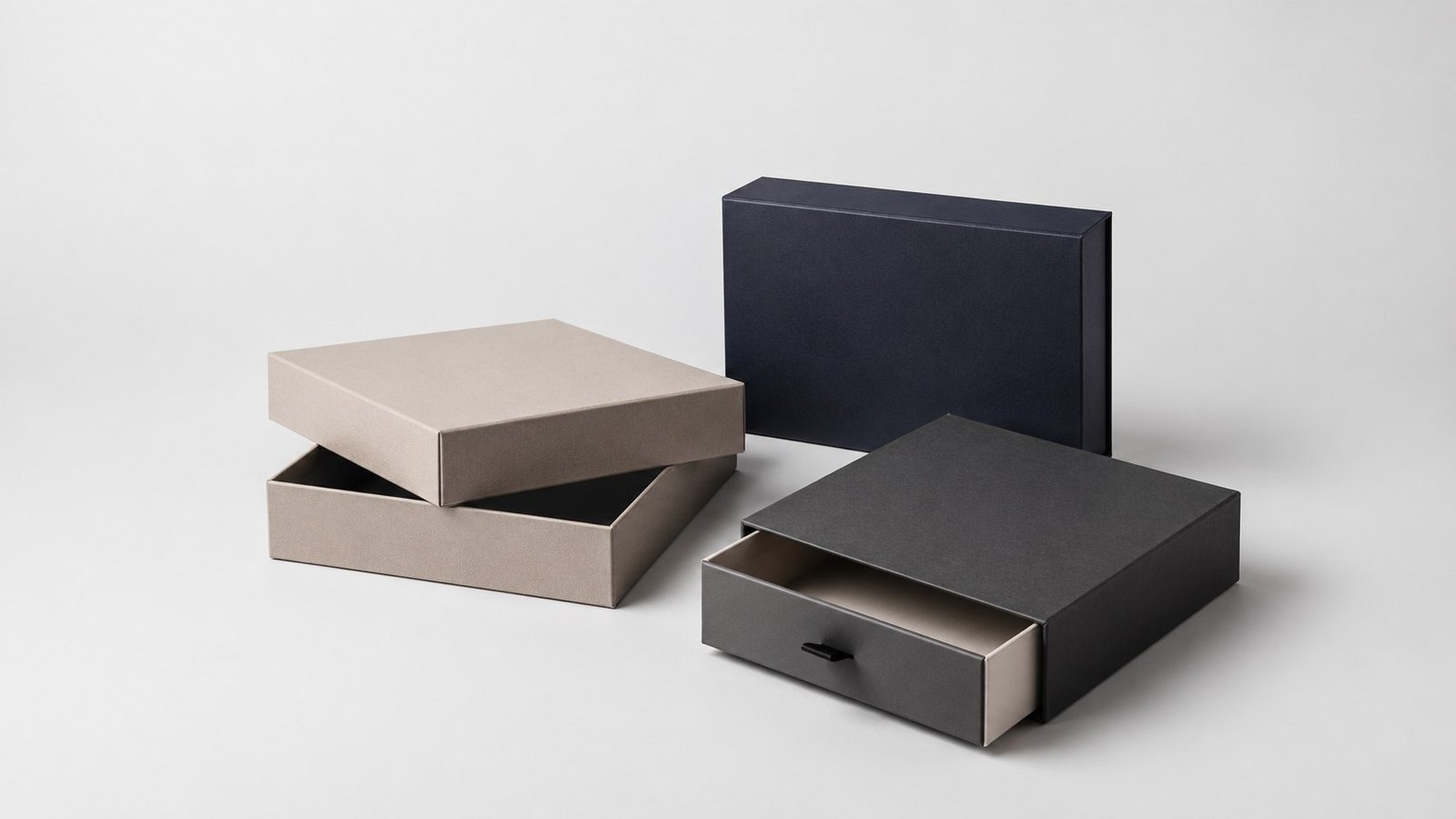
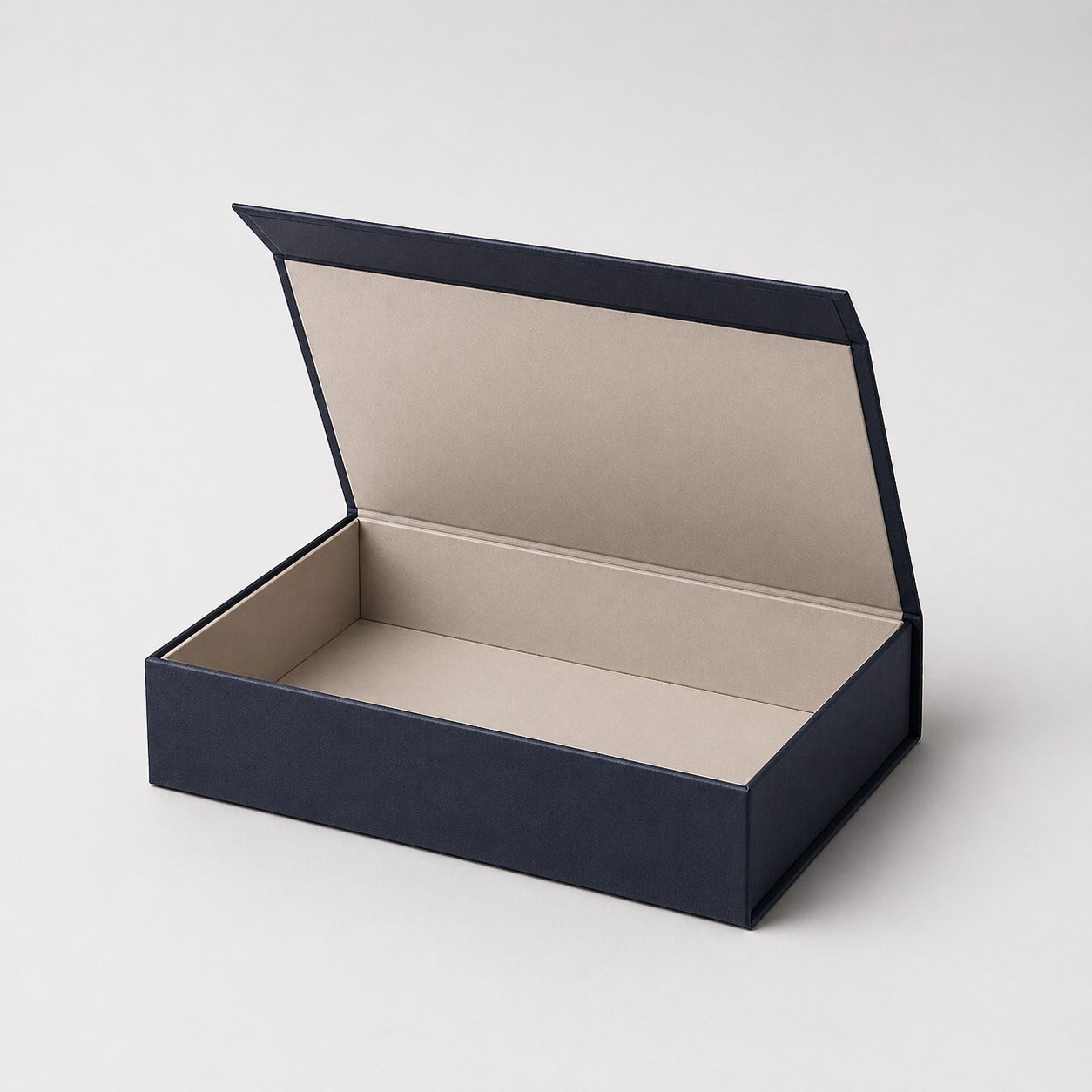
In Gulf countries (UAE, Saudi Arabia, Kuwait), a food-contact certificate is mandatory for packaging that may contact food. Rigid cardboard boxes are classified under HS code 4819; documentation requirements vary by destination country. Key documents include: Certificate of Conformity, phytosanitary certificate (required for paper-based products in some markets), and Certificate of Origin. Start the documentation process before production begins — not after.
2. RTL Language and Labeling Requirements
Saudi Arabian and UAE customs regulations require product labels to be in Arabic. For custom-printed toothpicks, straws, or boxes with Arabic text, the proofing process typically adds 3–5 business days. Build this into your project timeline from the quotation stage. RTL (right-to-left) layout approval should be handled by the exporter, not delegated to the printer alone.
3. Temperature and Humidity Resistance
Gulf warehouse conditions frequently reach 40°C+ and 80%+ humidity. Under these conditions, plastic frozen straws can deform, and rigid box coverings may begin to separate at corners. Recommended packaging configuration: PE foam + silica gel + stretch film. Confirm this specification with your supplier before dispatch.
4. MOQ and Container Consolidation Strategy
Shipping small lots to distant markets significantly increases per-unit freight costs. A 20-ft container filled with a combination of rigid boxes, straws, and toothpicks — a mixed-load approach — is the most cost-efficient option for multi-SKU buyers. Emsa Pack supports this type of consolidated shipment planning across its product range.
5. Payment Terms and Timeline Coordination
Gulf buyers predominantly work with Letters of Credit (L/C); upfront payment ratios are lower compared to the Turkish domestic market. A common structure: 30% advance to confirm production + 70% against shipping documents. Lead time breakdown: 10–15 business days production + 7–10 days sea freight (Turkey to UAE). Total: 17–25 days. Establish this framework in writing at the quotation stage.
Emsa Pack actively ships to the Gulf region with export experience and sales support in 5 languages. Contact us for a quotation.
1. Packaging Standards and Customs Documentation
In Gulf countries (UAE, Saudi Arabia, Kuwait), a food-contact certificate is mandatory for packaging that may contact food. Rigid cardboard boxes are classified under HS code 4819; documentation requirements vary by destination country. Key documents include: Certificate of Conformity, phytosanitary certificate (required for paper-based products in some markets), and Certificate of Origin. Start the documentation process before production begins — not after.
2. RTL Language and Labeling Requirements
Saudi Arabian and UAE customs regulations require product labels to be in Arabic. For custom-printed toothpicks, straws, or boxes with Arabic text, the proofing process typically adds 3–5 business days. Build this into your project timeline from the quotation stage. RTL (right-to-left) layout approval should be handled by the exporter, not delegated to the printer alone.
3. Temperature and Humidity Resistance
Gulf warehouse conditions frequently reach 40°C+ and 80%+ humidity. Under these conditions, plastic frozen straws can deform, and rigid box coverings may begin to separate at corners. Recommended packaging configuration: PE foam + silica gel + stretch film. Confirm this specification with your supplier before dispatch.
4. MOQ and Container Consolidation Strategy
Shipping small lots to distant markets significantly increases per-unit freight costs. A 20-ft container filled with a combination of rigid boxes, straws, and toothpicks — a mixed-load approach — is the most cost-efficient option for multi-SKU buyers. Emsa Pack supports this type of consolidated shipment planning across its product range.
5. Payment Terms and Timeline Coordination
Gulf buyers predominantly work with Letters of Credit (L/C); upfront payment ratios are lower compared to the Turkish domestic market. A common structure: 30% advance to confirm production + 70% against shipping documents. Lead time breakdown: 10–15 business days production + 7–10 days sea freight (Turkey to UAE). Total: 17–25 days. Establish this framework in writing at the quotation stage.
Emsa Pack actively ships to the Gulf region with export experience and sales support in 5 languages. Contact us for a quotation.